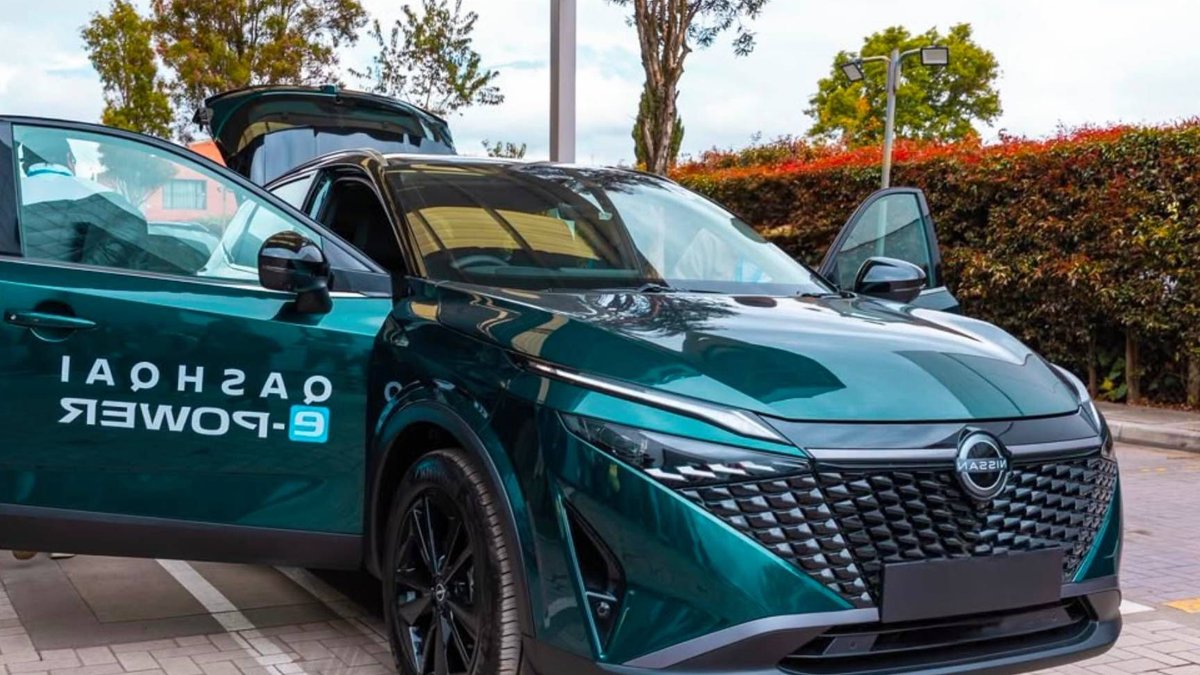
Nissan announced that a Qashqai e‑Power has achieved a Guinness World Record for the longest drive in an extended‑range electric vehicle, covering roughly 1,980 km (1,230 mi) on a single tank of gasoline.
Record run spanned Colombia’s varied terrain
The three‑day journey began on July 14 and concluded on July 17, taking the test vehicle from Bogotá to the Caribbean coast. The route crossed highways, mountain passes and coastal roads, providing a broad sample of conditions for the e‑Power system. Nissan said the drive demonstrated the practicality of its extended‑range design, which relies on a small gasoline engine to generate electricity for the battery while the wheels are powered solely by electric motors.
According to the automaker’s press release, the “highly efficient petrol engine generates electricity when needed, eliminating the need for external charging while maintaining the convenience and flexibility of a conventional vehicle.”
How e‑Power differs from traditional hybrids
Unlike conventional hybrid vehicles that can use the internal‑combustion engine to drive the wheels directly, Nissan’s e‑Power architecture keeps the gasoline engine isolated from the drivetrain. The engine acts only as a generator, feeding power to the battery pack, which then supplies the electric motors. This arrangement means the car can operate as a pure electric vehicle for short trips, while still offering the range extension of a fuel‑filled tank for longer journeys.
Related: Lucid Delays Smaller Model Amid New SUV Plans
Once the battery depletes, the onboard generator kicks in, providing continuous electricity without the driver needing to stop for a charge. Nissan highlighted that this setup “maintains the convenience and flexibility of a conventional vehicle,” a claim that the Colombian test was meant to substantiate.
While the e‑Power system is not yet available in Canada, Nissan has indicated that a future 2027 Nissan Rogue Hybrid will include an e‑Power trim for the North American market, slated for launch in late 2026.
Other manufacturers are also exploring similar concepts. Ram’s upcoming electrified Ramcharger pickup has shifted from a full electric plan to an e‑REV layout, and Ford has suggested that its forthcoming F‑150 Lightning may adopt a comparable approach. Kia, meanwhile, has announced plans to introduce an e‑REV pickup to North America within the next three years.
The record indicates a growing interest in solutions that bridge pure electric drivetrains and traditional fuel‑based range. Covering nearly 2,000 km without a charging stop could appeal to drivers in regions where charging infrastructure remains sparse.
From a practical standpoint, the Qashqai e‑Power’s achievement may influence how automakers position their hybrid offerings. If manufacturers can demonstrate comparable distance capabilities without sacrificing the driving experience, they might find a niche between full EVs and conventional hybrids.
Related: Car Connectivity Raises Security Concerns
Fuel efficiency of the generator, battery durability and consumer acceptance of a vehicle that still relies on gasoline will shape the real‑world impact.
Previous records and future outlook
Two years earlier, Nissan’s Qashqai also held a Guinness World Record, though for a different feat: the vehicle survived a 65‑metre (213‑foot) drop from a crane, earning the title for the highest car bungee jump. That stunt highlighted the model’s structural resilience, but the recent extended‑range record focuses on efficiency and endurance.
Looking ahead, Nissan has not disclosed plans to pursue additional distance records, but the company’s broader strategy suggests a continued emphasis on e‑Power technology across its lineup.
For now, the Qashqai e‑Power’s 1,980‑km run stands as a concrete example of how extended‑range electric vehicles can operate without frequent charging stops, a scenario that may become increasingly relevant as the automotive market transitions toward electrification.


