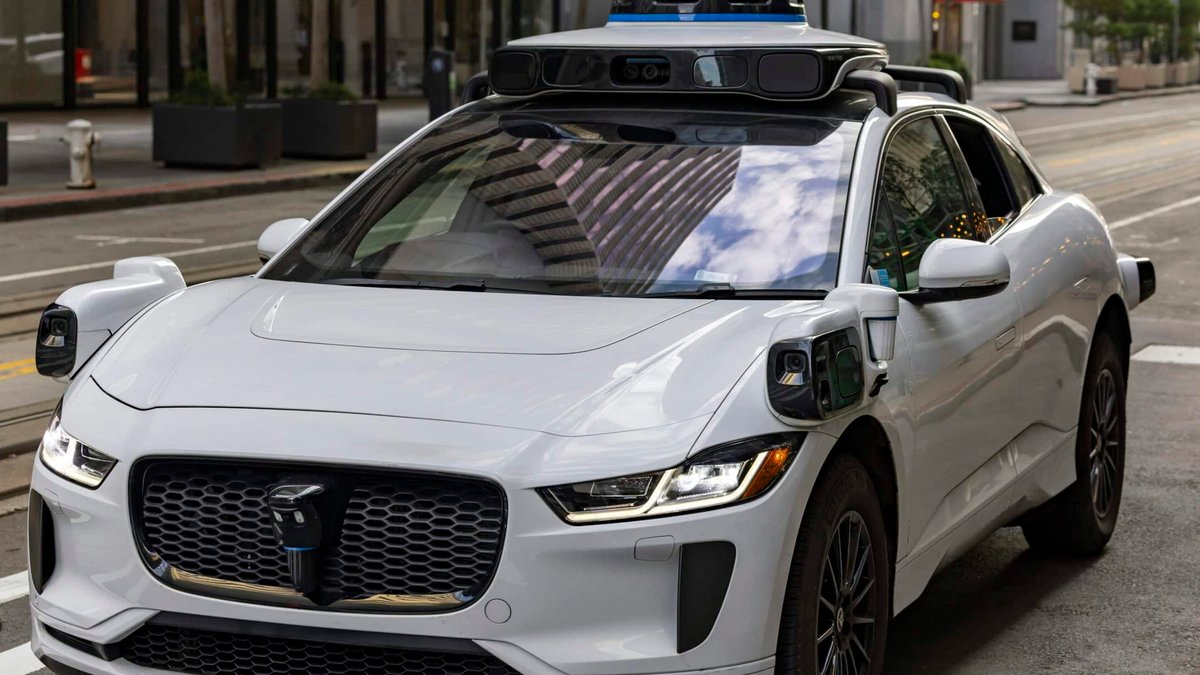
Autonomous vehicles are moving from experimental projects to practical transportation solutions. These vehicles use cameras, radar, LiDAR sensors, and artificial intelligence to handle their surroundings. Automakers and tech companies are investing heavily, aiming to improve traffic management, road safety, and efficiency.
However, integrating these vehicles into existing road networks poses significant challenges. Current roads, traffic signals, and driving practices were designed for human behavior. Autonomous vehicles must operate within these systems while interacting with conventional cars, pedestrians, and cyclists. This requires upgrades to vehicle technology, road infrastructure, regulations, and communication systems.
The Road Infrastructure Gap
Faded lane markings, damaged roads, and unclear signs can hinder autonomous driving systems. The ALARM survey estimates a £18 billion repair backlog for local roads in England and Wales. Malcolm Simms notes that some rural roads never get resurfaced in their lifetime. Improving road markings, signage, and digital mapping is key for compatibility with autonomous technology.
In England, the Department for Transport’s D-TRO service is creating a central, machine-readable record of traffic regulations. This digital infrastructure aims to support connected and automated vehicles. While dedicated roads aren’t necessary, controlled routes could simplify early testing by reducing interactions with unpredictable road users.
Human-Autonomous Vehicle Interactions
Managing interactions between autonomous and human-driven vehicles is complex. Human drivers rely on experience, intuition, and social cues to make decisions. Autonomous vehicles must interpret human behaviors and respond appropriately. This is especially challenging in urban areas with diverse driving styles and limited space.
Accidents involving autonomous vehicles raise questions about responsibility. If no one is driving, who is liable? The Loewy Law Firm notes that manufacturers, software developers, and deploying companies could be held accountable. Establishing clear safety standards is essential before widespread integration.
Read Also: Denza Launches Z9 GT and D9 MPV in India
Autonomous vehicles use cameras and algorithms to recognize traffic signals and signs. However, heavy rain, fog, and poor lighting can reduce accuracy. An MDPI study highlights that distant or ambiguous signals are particularly difficult to detect under such conditions. Inconsistent signage across regions further complicates operations.
Upgrading traffic signals with connected technology could help. The U.S. Department of Transportation’s V2X Accelerator Programme awarded funding to deployment sites in Arizona, Texas, and Utah. These initiatives aim to improve roadway safety through smart traffic lights.
Autonomous vehicles use computer vision and machine learning to identify temporary signs, such as those near construction sites. They analyze text, symbols, colors, and placement. Some vehicles cross-reference camera observations with digital maps to determine if temporary instructions override existing rules.
Pedestrians and cyclists exhibit unpredictable behavior that autonomous vehicles must interpret in real time. A Coventry University study found that factors like road gradient, weather, and vehicle distance influence pedestrian crossing decisions. Training systems with diverse scenarios can improve their ability to handle unusual situations.
Vehicle-to-Everything (V2X) communication is vital for autonomous transportation. It enables vehicles to exchange information with traffic signals, road infrastructure, and other devices.


