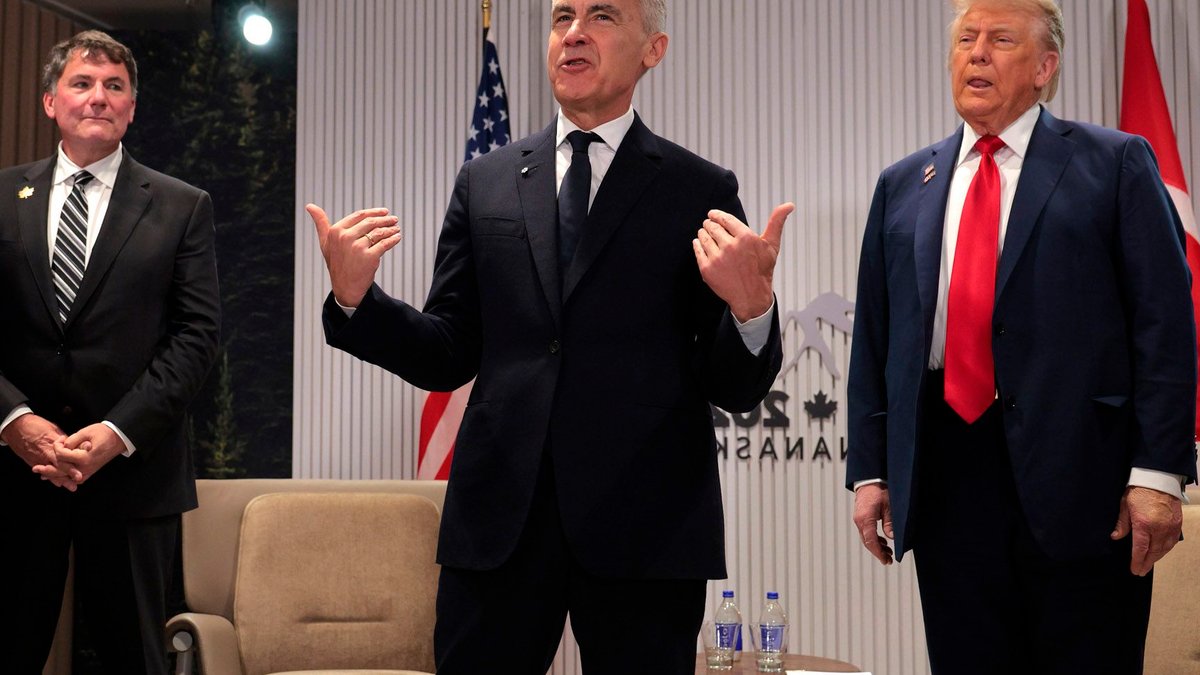
The United States and Canada are engaged in auto-trade talks, with the U.S. proposing a deal that could have significant implications for Canada’s auto industry. U.S. President Donald Trump and Canadian officials have been discussing the terms of the agreement, which includes tariffs on auto imports.
A recent development in the talks has made the proposed deal less favorable to Canada. The U.S. is now offering a deal that would only allow American content to be deducted from the tariff, excluding parts and content built in Mexico or Canada.
This change would result in a higher effective tariff rate for Canadian automakers, making it more difficult for them to compete with their American counterparts. The tariff rate could be as high as 6.25% or 7.5%, depending on the final negotiated rate.
Related: Corvette sells for record 18 million dollars
Canadian automakers would still be required to comply with the Canada-United-States-Mexico Agreement rules, which would limit their ability to source parts from other countries.
The consequences of signing this deal would be severe for Canada’s auto industry. Many automakers have already indicated that they would abandon Canada if the deal is signed, citing the high tariff rates and restrictions on sourcing parts.
As the trade talks continue, Canada’s auto industry remains in limbo. The proposed deal on the table is unfavorable to Canadian automakers, and it is unclear whether a better agreement can be reached.
Related: Ford Plans New Hybrid SUV Model
One thing is certain, however: the outcome of these trade talks will have a significant impact on the future of Canada’s auto industry. The U.S. Trade Representative has stated that the new deal would only allow American content to be deducted from the tariff.
This change has significant implications for Canadian automakers, which would be required to comply with existing rules and limit their ability to source parts from other countries. They would face higher costs and reduced competitiveness.
It remains to be seen whether a deal can be reached that benefits both countries. The auto industry is a significant sector in both the U.S. and Canada, and a favorable agreement would be beneficial for both nations.


