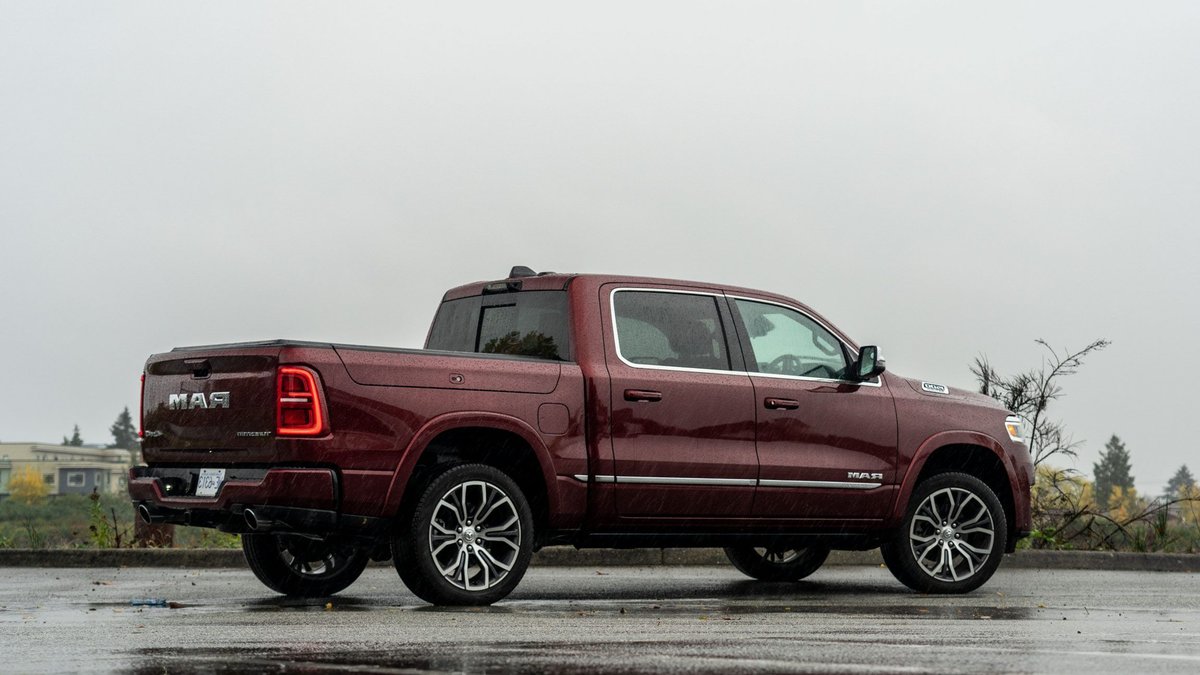
Stellantis is recalling 1.5 million Ram 1500 pickup trucks globally due to a seat-belt issue that could compromise passenger safety.
Scope of the Recall
The problem affects vehicles from the 2019 through 2026 model years. In the United States, officials say 1,271,294 trucks are included in the action. Canada has 156,138 affected units, with another roughly 75,000 located outside North America. The recall addresses a specific assembly error rather than a part defect.
The issue involves the second-row seat-belt-buckle anchors. According to the filing, these anchors may have been improperly attached to the body structure. If the anchor fails to secure correctly, the belt cannot restrain a passenger effectively. The recall report notes that owners will receive no prior warning if their vehicle is affected.
Transport Canada maintains an online database where owners can check their Vehicle Identification Number (VIN) to see if their truck is included. The manufacturer’s recall number for this Ram 1500 action is 67D, while Transport Canada’s number is 2026-371.
Related: Mercedes Unveils New GLA Models
Repair Process
Stellantis will notify owners by mail. The company instructs owners to bring their pickup to a dealership for inspection. If necessary, dealers will attach the seat-belt-buckle anchor to the body structure at no cost to the customer. Owners should act quickly once they receive the notice.
The recall process began after Transport Canada filed customer complaints on January 20, 2026. The agency cited a 2025 Ram 1500 as the initial trigger for the investigation. FCA US opened an inquiry shortly after to look into the second-row seat belt buckle anchor assembly. The issue was recognized in July 2026, leading to the official recall announcement.
Historically, automakers have faced significant liability when safety restraints fail due to assembly errors rather than manufacturing defects. Unlike a broken component, an assembly issue can often slip past quality control lines without triggering early detection systems. This distinction creates a unique challenge for regulators who must rely on consumer reports to identify problems in the field. The delay between the first Canadian complaint and the final recall announcement highlights the difficulty in tracking down every single unit produced during a multi-year production run.
While the recall affects trucks from Mexico and regions outside North America, the primary reporting mechanism in Canada allows residents to verify their status using the national recall database. The 2019 through 2026 production window covers a significant portion of the current Ram 1500 lineup, meaning owners of older trucks may also need to schedule service if their specific assembly batch is impacted.


