The whole point of a hot hatch was that you didn’t need loads of money to have loads of fun. You’d simply take an ordinary family hatchback, give it a punchier engine, tighten up the suspension, throw in some bigger wheels and even a spoiler, and you’d have a performance car that normal people could actually afford.
That formula worked brilliantly for decades, but the hot hatch market in 2026 is now quite different. Volkswagen itself still describes the Golf GTI as the “people’s supercar”, except the people now need to find £41,860 before they’ve even started ticking option boxes.
There’s nothing particularly wrong with the latest Golf GTI. In fact, it’s faster, safer, more sophisticated and better equipped than just about any GTI that came before it. Its 2.0-litre turbo engine produces 261bhp, it’ll hit 62mph in less than six seconds and you can use it every single day without much compromise.
But £41,860 is an extraordinary amount of money for what was traditionally the attainable performance car. And if you go further up the hot-hatch hierarchy, things get even more dramatic with a Toyota GR Yaris now starting at a cool £46,195.
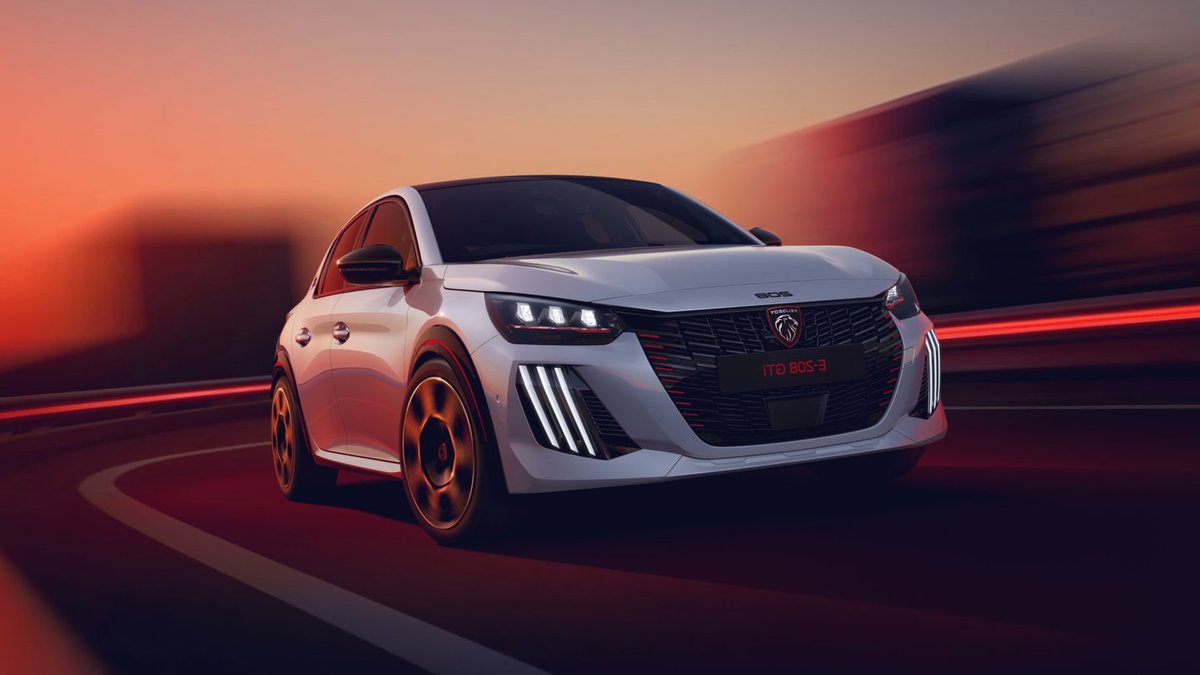
Even the latest generation of smaller electric hot hatches largely lives north of £30,000, with the new Peugeot E-208 GTi costing £34,995 and the electric MINI John Cooper Works in a similar ballpark.
Clearly, hot hatches haven’t disappeared. The problem is that the genuinely affordable ones largely have. It wasn’t that long ago that you could buy a Ford Fiesta ST for £18,995, or a Peugeot 208 GTi for £18,895.
Five years earlier, the Renaultsport Clio 200 Turbo was £18,995. Even accounting for more than a decade of inflation, the difference between those cars and today’s £35,000-plus alternatives is hard to ignore.
Related: Silverado 1500 Trail Boss Towing Test Results
The Hyundai i20 N was perhaps one of the final proper examples of the old formula; launched in 2021, it cost £24,995 and came with 201bhp, a six-speed manual. Then Hyundai killed it in 2024.
The Fiesta ST is gone because the Fiesta itself is gone. There’s no more Renaultsport Clio, no new Hyundai i20 N and no combustion-engined Peugeot GTi. Even the Honda Civic Type R is disappearing from the UK and European market during 2026.
Part of the problem is that building a cheap performance car isn’t actually very cheap anymore. Modern cars need increasingly sophisticated emissions equipment, safety systems, driver-assistance technology and infotainment.
Manufacturers then have to spend more money engineering a performance derivative which, inevitably, sells in much smaller numbers than the normal car it’s based on. That’s particularly difficult at the small end of the market, where profit margins were already thin.
If manufacturers are struggling to make money selling ordinary superminis, convincing the accountants to develop bespoke suspension, bigger brakes and a more powerful engine for a relatively niche hot version becomes even harder.
Then there’s electrification. Manufacturers are pouring enormous amounts of money into EV development while simultaneously having to meet emissions legislation and electric-car sales targets. An old-fashioned petrol hot hatch inevitably starts looking like an expensive distraction.
Electric hot hatches are coming – but they aren’t cheap either. The Peugeot E-208 GTi is probably the most telling example, with the new Peugeot E-208 GTi costing £34,995.
Related: Lucid Delays Smaller Model Amid New SUV Plans
Of course, comparing those figures directly ignores inflation, vastly improved standard equipment and the cost of an electric drivetrain. Modern hot hatches are also generally much faster and more capable than their predecessors.
But that’s almost the point. The hot hatch has become a better performance car while becoming a worse cheap performance car. This shift is similar to what happened in the hot hatch market in the early 2000s, when cars like the Volkswagen Golf GTI and Peugeot 205 GTI were still relatively affordable.
Maybe the used market is the new hot hatch. For the price of a new £40,000-plus Golf GTI, the used market suddenly offers everything from previous-generation Civic Type Rs and GR Yarises to proper sports cars.
If you’re happy to spend around £15,000 to £20,000, there are Fiesta STs, Hyundai i20 Ns, Peugeot 208 GTis and various generations of Renault machinery everywhere. Perhaps that’s where the traditional hot-hatch buyer has been pushed.
The Golf GTI, GR Yaris and the new crop of electric performance hatchbacks prove there’s still demand for fast, practical small cars. What we’re losing is the other half of the formula – affordability.
A hot hatch was once the performance car you bought because you couldn’t afford a sports car. Increasingly, you need sports-car money just to buy the hot hatch. As the market continues to evolve, it will be interesting to see how manufacturers balance the need for affordable performance cars with the increasing costs of development and production, and how they will make car diagnostic problems a thing of the past.


