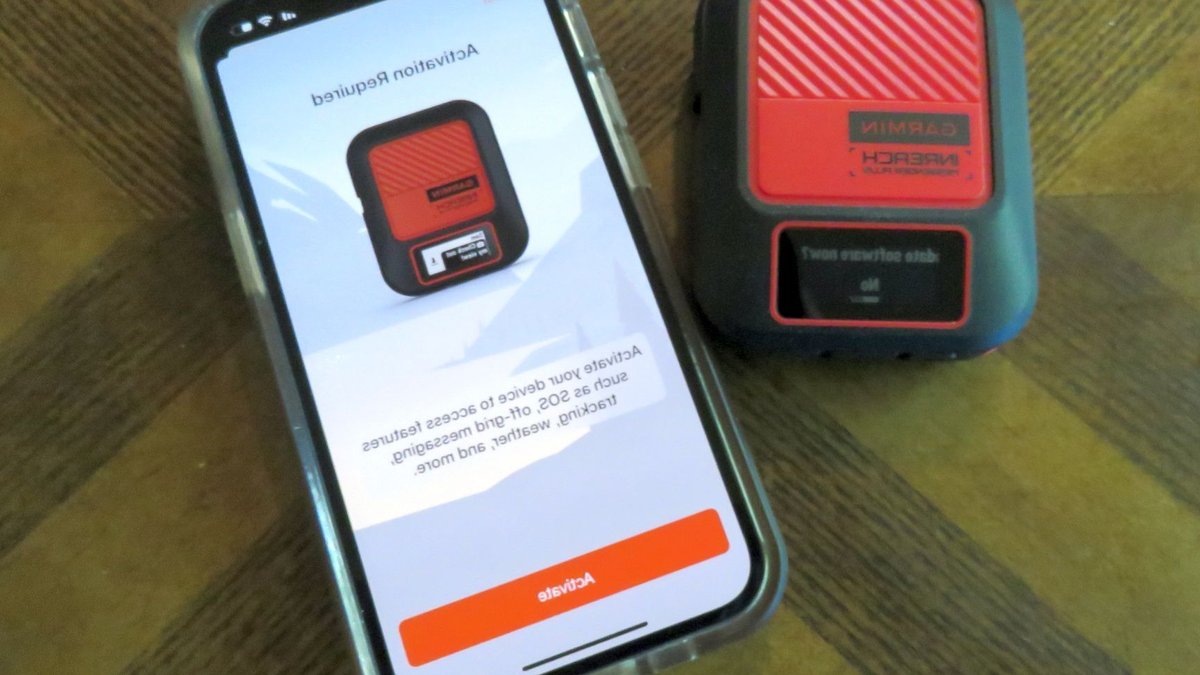
A drive to the Arctic Ocean last summer put one device through extreme conditions while demonstrating its value for safety in isolated areas.
Stephanie Wallcraft and her daughter traveled five days on the Dempster Highway, a 900-kilometre gravel road crossing Canada’s Northwest Territories to Tuktoyaktuk. That settlement is the only mainland community north of the Arctic Circle. Cell service does not exist along the route, medical facilities are absent, and villages sit hundreds of kilometres apart. Satellite communication became their only lifeline.
The Garmin InReach Messenger Plus, sold for $559.99 in Canada, served as their emergency tool. The device features an SOS button that transmits GPS coordinates to Garmin’s 24-hour response center. The center then contacts local emergency services. A protective cover prevents accidental presses. Users must pay for a subscription to access SOS and messaging functions, and they remain responsible for any evacuation expenses.
Related: Nissan and Toyota pause production after quake
Wallcraft did not activate the SOS feature during the trip. She described the security it provided as invaluable. For travelers in remote regions, she recommended including a GPS-connected emergency device in their gear. While personal locator symbols provide a lower-cost option limited to SOS signals, the Garmin model adds messaging and tracking capabilities that proved useful.
The InReach Messenger Plus supports text messages, photos, and voice memos through satellite connections. It also delivers weather forecasts, route tracking, and real-time location sharing. Most functions require pairing with a smartphone via the Garmin Messenger app, which makes communication resemble standard texting. Delays occur under cloudy skies, however.
Wallcraft considered the device worthwhile, especially with a teenager accompanying her. The device’s battery lasted the entire five-day trip despite heavy use, and it can recharge a smartphone if needed.
Related: Car Connectivity Raises Security Concerns
Satellite communicators are not limited to extreme adventurers. They serve anyone who ventures beyond cell range, whether on a backcountry trail or a remote highway. The device carries a high price, but for those who need it, the expense becomes reasonable when compared to the risks of being without help.
On the Dempster Highway, where assistance could take days to arrive, the InReach Messenger Plus offered more than communication. It reduced the isolation of an already demanding journey.


