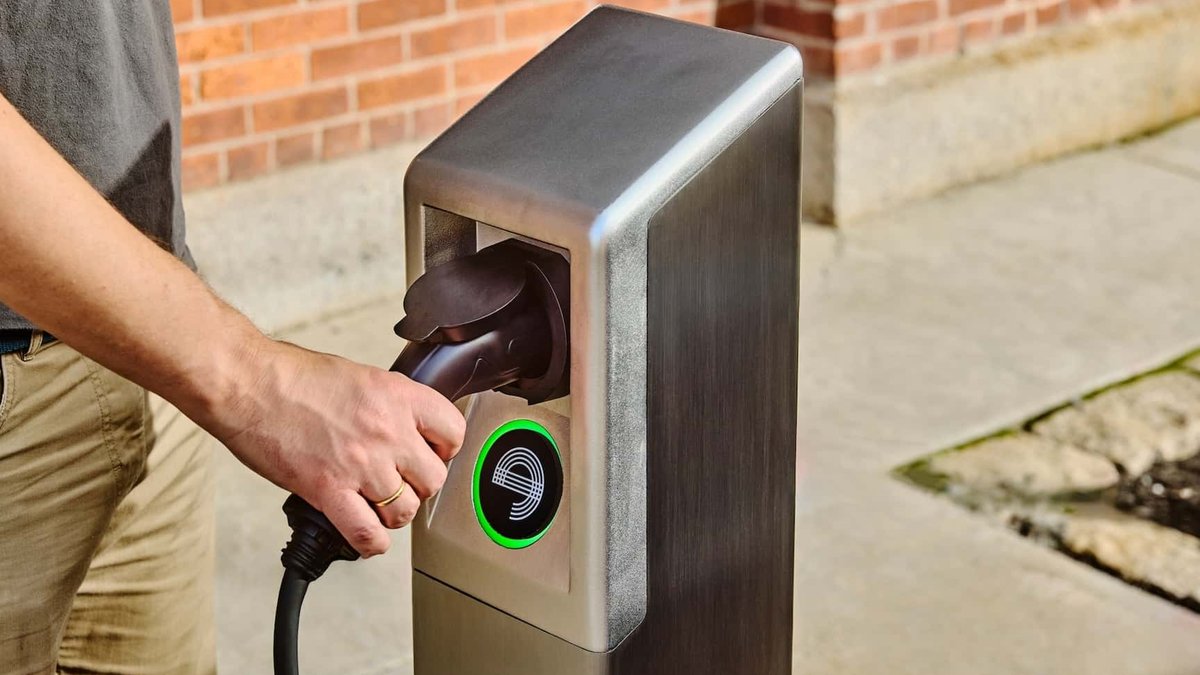
New York City is installing 700 curbside EV chargers across the five boroughs to address a chronic lack of charging infrastructure for apartment dwellers and rideshare drivers. The city selected Brooklyn-based startup It’s Electric to install the hardware, which will be dispersed throughout the five boroughs and target neighborhoods with high concentrations of rideshare drivers.
Street-Level Infrastructure in a City of Cars
Curbside charging is common in Europe but rare in most large U.S. cities, creating a specific barrier for urban residents who lack access to private garages. The new Level 2 chargers will be installed over the next three years, filling a gap in the city’s infrastructure that has long made the transition to electric vehicles difficult for those without off-street parking. This expansion directly contrasts with the United States’ general reliance on detached homes for charging, highlighting the unique urban challenges of New York.
Tiya Gordon, the startup’s cofounder and COO, described the current situation in the United States as a “desert” for electric vehicles outside of California. “Once you leave L.A. and you go to Boston, you go to New York, you go to San Francisco, you go to D.C., you go to Philadelphia, you go to New York, it’s a desert,” Gordon said. Her observation emphasizes that while coastal hubs are beginning to adapt, vast portions of the eastern seaboard remain underserved by the necessary grid improvements.
Hardware Designed for New York
It’s Electric’s EV chargers do not have a built-in cord and were designed from the start for New York City streets. The sleek, stainless steel posts lack included cords, screens, or credit card readers, which Gordon said the company designed to pass the city’s Public Design Commission review and avoid cluttering the streetscape.
Read Also: Volvo boosts XC60 and XC90 plug-in ranges to 78 miles
Drivers bring their own cords that the company provides. The chargers get their power from nearby apartment buildings, which the company says makes the infrastructure cheaper and quicker to build. The units will be manufactured in Queens, and a given block will have no more than two chargers.
While DC fast chargers tend to get more attention and public funding, curbside Level 2 infrastructure is seen as an important piece of the puzzle for expanding EV adoption in dense urban environments. The city’s Department of Transportation noted that the current pilot program has been immensely popular with EV owners, with sites occupied by an EV 70% of the time and supplying energy 85% of the time they were occupied. These statistics validate the necessity of the upcoming expansion to meet the city’s growing number of electric vehicle owners.
Focus on Rideshare Drivers
The new sites are targeting areas heavily populated by Uber, Lyft, and taxi drivers to support the city’s goal of making all rideshare vehicles electric by 2030. Gordon hopes the chargers will be a “game changer” for the city’s 80,000 rideshare drivers. Without curbside charging in neighborhoods like Jackson Heights or Flushing or the Bronx, she said drivers are forced to drive to a limited amount of fast charging stations, wait in long lines, pay 50 cents per kilowatt hour, and drive two hours back into Manhattan.
By putting chargers in the neighborhoods where these rideshare drivers park overnight and go to sleep, they wake up with a full battery. On Tuesday, It’s Electric also announced that it had closed a new funding round, bringing its total funding to $15 million. The company operates 50 chargers and has 700 customers, Gordon said, with all of those coming online since April of last year.


